The retreat is four days. The work is the year after it.
Almost everyone comes home clear about something. Rather fewer are still living by it in March. That gap is where integration happens, and it is the part of this work that nobody photographs.
A short retreat is not a shallow one, if what follows is real
There is a fair criticism of weekend formats: four days can feel like a lot delivered quickly, with the landing left to you. We think the criticism is right about the risk and wrong about the remedy. Making the retreat longer mostly makes it more expensive. Making the weeks afterwards structured is what actually changes the outcome.
So the intensive is short and the accompaniment is not. Nothing below is an upsell — the plan, the follow-up call and the preparation materials are in the price of every retreat, and were before we wrote this page.

What actually happens, and when
Preparation materials
The exact diet with substitutions, what to bring, how the days run, and how to get there. Integration starts here — people who arrive prepared land better afterwards.
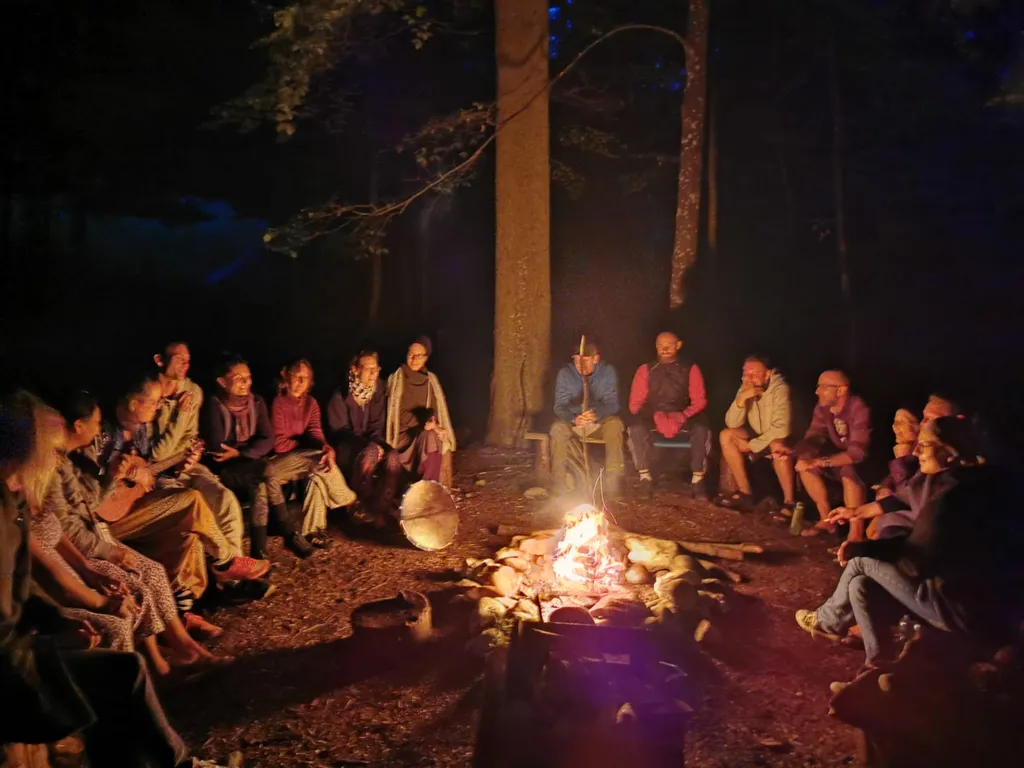
The sharing circle
The night gets spoken about while it is still fresh, in the room where it happened, with the people who were there. Most of what you will carry home takes its shape here rather than in the ceremony.
A written integration plan
Yours, on paper, made with you rather than handed to you. What came up, what you said you wanted to change, and the specific small things to do in the first fortnight. It is deliberately modest — grand resolutions made three days after a ceremony rarely survive contact with a Monday.
We call you
Not a feedback form. A conversation, at the point where the glow has worn off and ordinary life has reasserted itself — which is exactly when people quietly decide whether any of it was real.
One-to-one work with Konstantin
Ongoing sessions for people who want to go further with what came up. This one is paid and entirely optional. Ask on the follow-up call and you will get an honest answer about whether you need it.
What people are usually unprepared for
None of this means anything went wrong. It is what the landing normally looks like, and knowing it in advance takes most of the alarm out of it.
The dip around day ten
A week or so of unusual clarity, then a flat stretch that feels like losing it. You have not lost it. This is the most common thing people phone about, and the reason the follow-up call sits at two weeks rather than two days.
Not being able to explain it
Someone asks how it was and nothing you say is true enough. Then you either overshare and regret it, or shut the whole subject down. Both are normal. It is worth deciding in advance who you will actually tell.
The urge to change everything at once
Quit the job, end the relationship, sell the flat. Sometimes the insight is right and the timing is not. The plan asks you to sit with any irreversible decision for a month before acting on it.
Wanting to book the next one immediately
We would rather you did not, and we will say so. More medicine is not the same as more integration, and the people who get the most out of this tend to leave months between retreats, not weeks.
Something difficult surfacing later
Occasionally material arrives weeks afterwards rather than during. If it is more than you can hold, say so early — to us, and to a therapist. That is not a failure of the retreat, and it is not something to sit on alone.
Where we are not the right support
We are not therapists and do not present ourselves as any. For ongoing mental health care, a trauma-informed therapist is the right person, and we will say so rather than keep you in our own orbit.