Purification, silence, and one plant at a time
A dieta is the older, slower half of this tradition: simple food, isolation, and a sustained relationship with a single teacher plant, held together by ceremony. It asks more of you than a weekend does, and it gives back on a different scale.
An ancestral practice, not a longer retreat
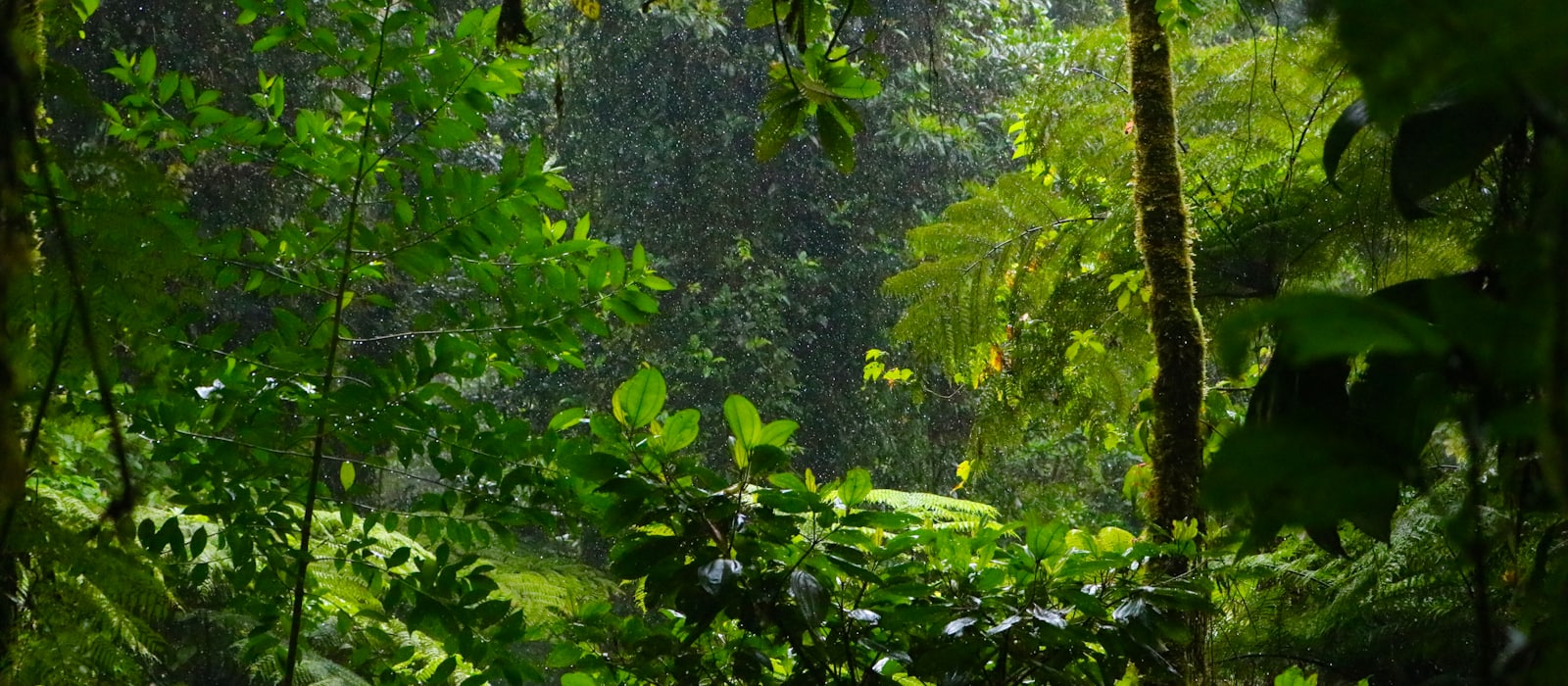
A master plant dieta comes from the indigenous traditions of the Peruvian Amazon, and the Shipibo lineage in particular. You step out of ordinary stimulation, into a quiet place in nature, and spend the days with one plant — taken daily, bathed in, sung to in ceremony.
Master plants are called teacher plants because the tradition holds that they carry their own spirit and their own knowledge, and that this passes to the person dieting with them through dreams, ceremony and quiet observation.
What that produces, in practice, is purification of the body, a settling of the nervous system, and a kind of clarity that is hard to reach in four days.
What a dieta is made of
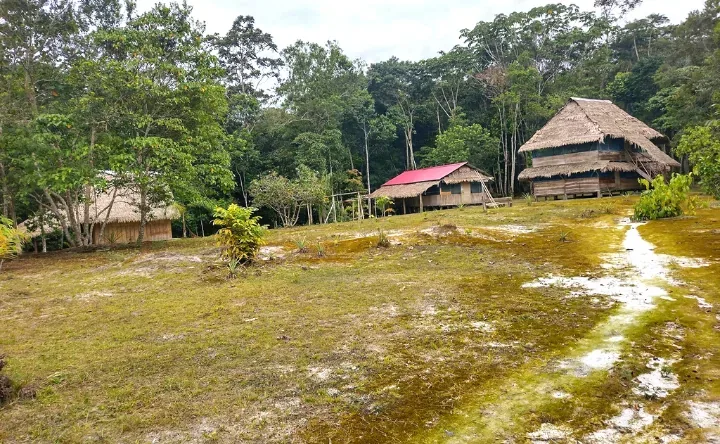
Nature immersion
A quiet natural setting, away from daily distraction, for the whole length of the retreat.
Dieta food
Quinoa, potatoes, sweet potatoes, vegetables, eggs, rice and legumes. No salt, sugar, coffee or fruit. Two meals a day, vegetarian and mostly vegan.
Plant ceremonies
Ayahuasca and San Pedro ceremonies woven through the dieta, with icaros and individual attention through the night.
Master plant work
A daily, individual relationship with a teacher plant — Bobinsana, Ajo Sacha, Chiric Sanango, Noya Rao or Chuchuwasi.
Isolation and silence
Significant time alone and quiet, away from phones and conversation. Facilitators check in regularly; you are never left without support.
Guidance and integration
Experienced facilitators through the process, and structured integration once it ends.
Who you might work with
Bobinsana
Associated with the heart, emotional openness and gentleness. Commonly worked with, and dietable in fifteen days.
Ajo Sacha
Traditionally used for cleansing and clearing — of the body, and of what has attached itself energetically. Also a fifteen-day plant.
Chiric Sanango
Considered demanding. Associated with courage, warmth and the release of deep fear. Traditionally given a longer dieta.
Noya Rao
Rare and highly regarded in Shipibo tradition, associated with clarity and illumination. Reserved for longer, committed work.
Chuchuwasi
Worked with in the longer program, for strength and physical fortification.
You do not choose
The plant is chosen for you by the shaman, after conversation and assessment during the retreat, according to your intention and state. Some people diet one plant throughout; others work with more than one.
Fifteen days or twenty-one
Dieta length follows the plant, not personal preference. Gentler, commonly used plants such as Bobinsana or Ajo Sacha can be dieted meaningfully in fifteen days. More demanding plants such as Chiric Sanango or Noya Rao, and multi-plant work, are traditionally given longer — which is why the twenty-one day program exists.
A longer dieta is not simply more days. It allows a slower purification, deeper immersion in silence, more ceremonies for the teaching to surface, and more time to integrate before you go back to ordinary life. If you are unsure which is right, the facilitators will help you decide based on your intention and experience.
→ 15 Days Dieta with Master Plants → 21 Days Dieta with Master Plants
The five stages people move through
Slowing down
A gradual disconnection from daily stimulation. Deeper sleep, less mental noise, a growing sense of ground.
Purification
As the body adjusts, purification begins — physically, emotionally or energetically. This stage can be intense, and it is doing real work.
Connection
A subtle connection with the plant begins to appear, through dreams, ceremony insight, or quiet intuitive understanding.
Insight
Deeper reflections surface. Patterns, relationships and direction start to make more sense than they did.
Integration
Toward the end the focus shifts to reflecting on the whole process and planning how to carry it into daily life.
Preparation begins a week out
Avoid alcohol and recreational drugs for a week. Avoid pork and pork products. Avoid sexual activity for at least twenty-four hours before arrival. Certain medications have to be stopped, and stopping some of them safely takes time and medical guidance — which is why the detailed guidelines are shared individually during the application, not published as a checklist.
You cannot attend while taking antidepressants, antipsychotics, ADHD medication, sleep medication or anxiolytics. Tell the facilitators before booking if you are pregnant or breastfeeding, have a diagnosed heart condition or high blood pressure, have a history of psychosis, bipolar disorder or schizophrenia, or have had recent major surgery.
The dieta does not end when the retreat does
Traditionally the discipline afterwards matters as much as the retreat itself — it is what lets the teaching settle. For a minimum of two weeks after you go home: no alcohol or recreational drugs, no pork, no spicy food, no strong perfumes or synthetic hygiene products. For one week to one month: no sexual activity.
Longer is better. Many people find the effects keep deepening for as long as they hold it.
You also get an integration call after the retreat, access to the private participant group, and continued guidance if you need it. More on that on the integration page.
Who this is for, and who it is not
This is for you if you
- •feel called to work deeply with plant medicine
- •are ready for real self-exploration
- •are willing to hold the dieta discipline, during and after
This is not for you if you
- •cannot stop incompatible medications
- •are looking for a recreational experience
- •are not willing to follow the dieta guidelines
Not sure which dieta fits?
Tell us what you are working with and how much time you have. We will tell you which program — or whether a shorter retreat is the honest first step.